
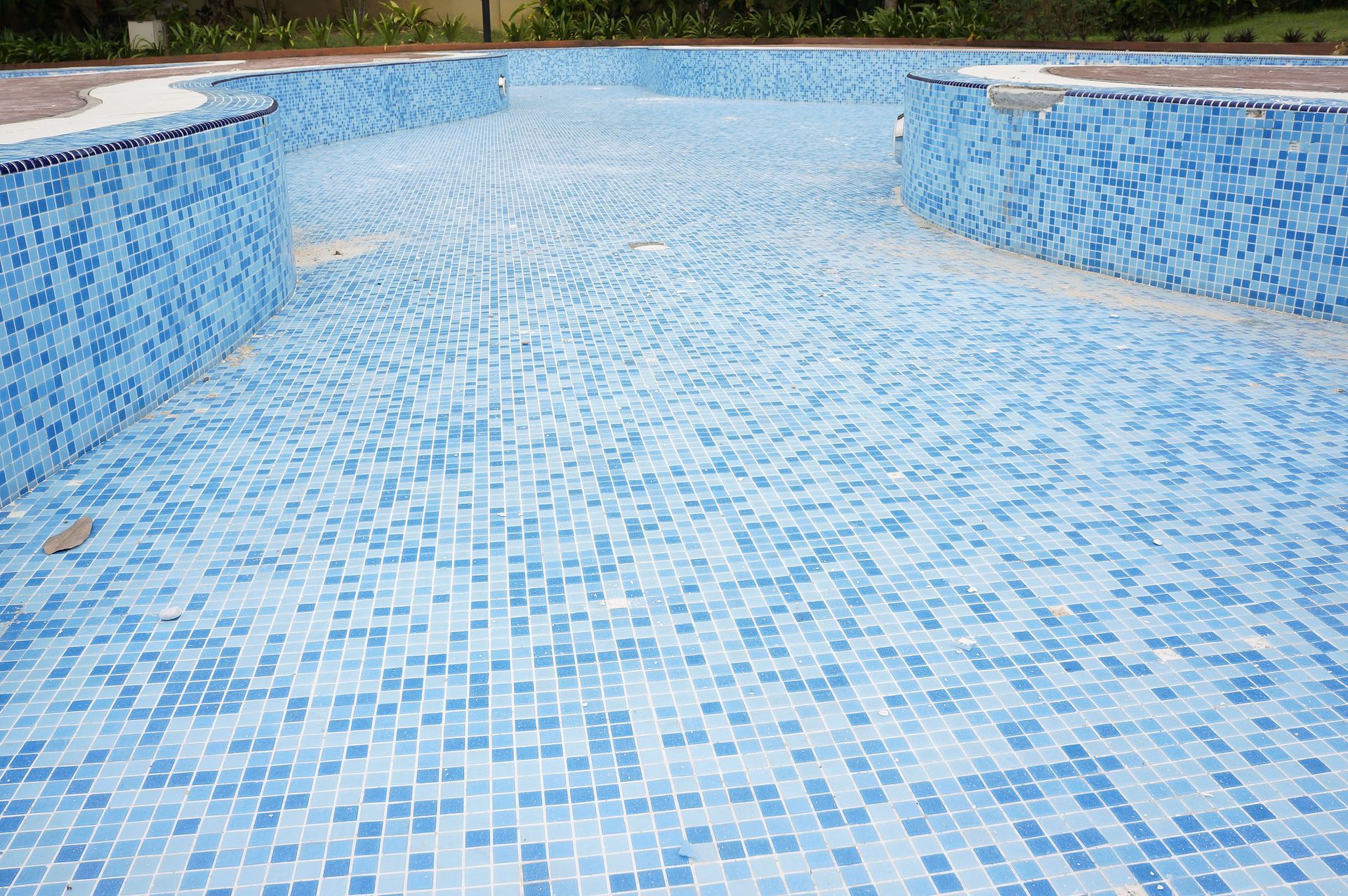
Discover how timely pool repairs prevent minor leaks from expanding. Read our latest article to recognize warning signs and preserve your backyard pool.
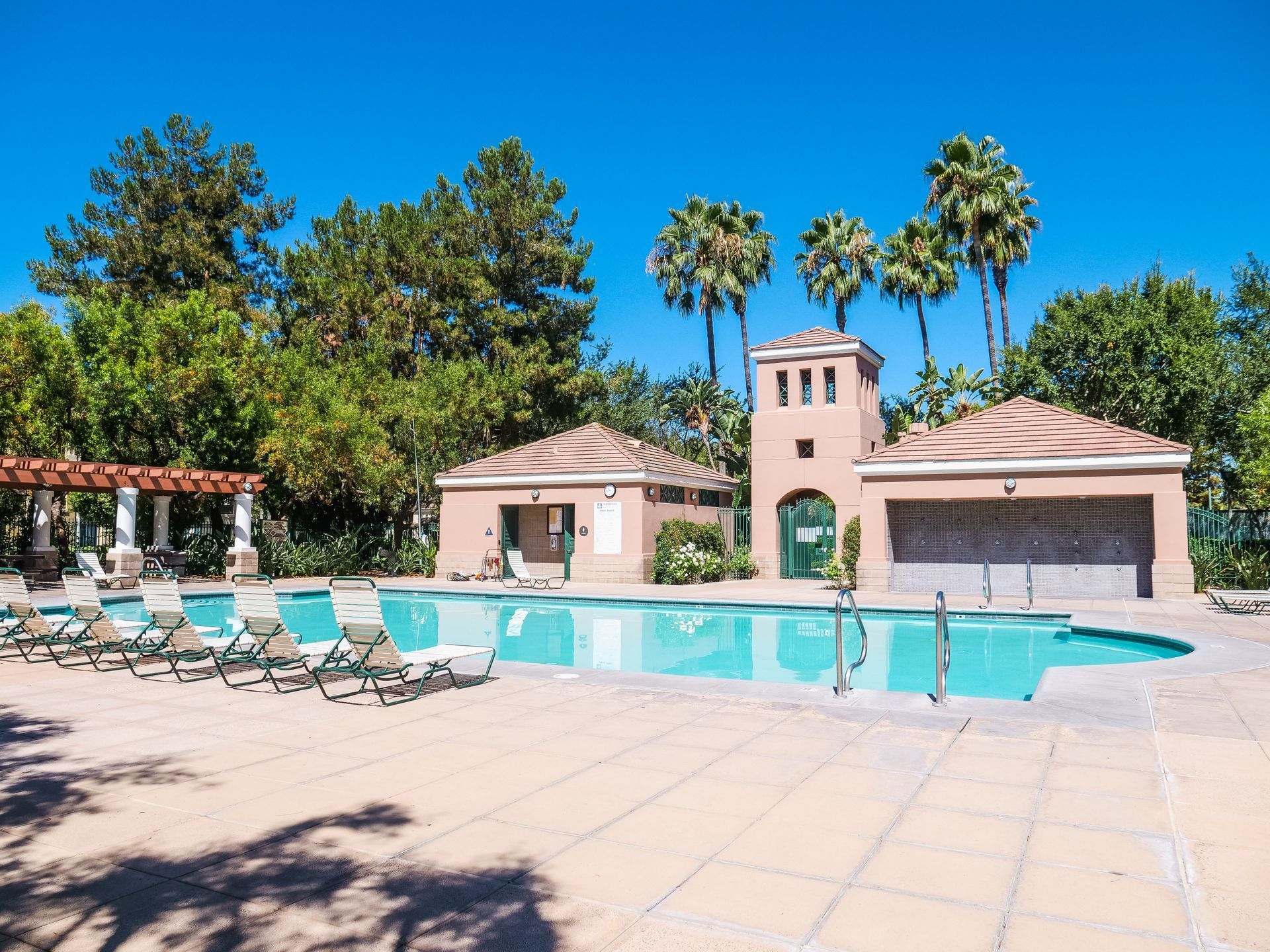
Managing a commercial or HOA community pool in Las Vegas involves far more than keeping the water clear. Intense desert heat, high bather loads, mineral-heavy water, and year-round sun put unique mechanical strains on pool infrastructure. When pool systems underperform in Southern Nevada, property managers and HOA boards face unexpected downtime, steep energy bills, or health code violations from local authorities. Establishing proactive equipment replacement rules ensures compliance, protects community funds, and preserves valuable assets. Rule 1: Apply the 50/50 Rule for Repairs vs. Replacement Deciding whether to approve another repair quote or fund a full replacement is a constant challenge for Las Vegas HOA boards. Commercial pool contractors follow the 50/50 Rule : ● If a repair estimate exceeds 50% of the cost of new equipment , and the asset has exceeded 50% of its expected useful life , replace it immediately. Pouring budget into an aging 5-year-old commercial pump motor is rarely cost-effective in Southern Nevada's summer heat. Repeated minor service calls quickly eclipse the cost of modern, warrantied commercial units. Rule 2: Strict Adherence to SNHD Regulations and State Licensing Commercial and HOA pools in Clark County answer to distinct regulatory bodies. Replacement decisions must align with regional mandates: ● Southern Nevada Health District (SNHD): Public and HOA pools operate under strict Aquatic Facility Regulations. Equipment changes must maintain approved turnover rates (typically 6 hours for standard pools; 1 to 2 hours for wading pools). SNHD requires equipment alterations to match approved plan submissions. Review official compliance guidelines via the Southern Nevada Health District Aquatic Health Program . ● Virginia Graeme Baker (VGB) Act: Anti-entrapment main drain covers must be replaced per manufacturer expiration schedules—typically every 3 to 7 years —regardless of visual appearance. ● Nevada Contractor Licensing: Under NRS 624, pool equipment replacement exceeding $1,000 must be completed by a licensed contractor holding an A-10 or A-10E classification. Property managers can verify licensing status directly through the Nevada State Contractors Board . Rule 3: Account for High Total Dissolved Solids (TDS) and Extreme Heat Las Vegas tap water is sourced from Lake Mead and carries high mineral content. Coupled with summer temperatures regularly topping 100°F, local pool equipment faces two specific environmental threats: 1. Scale Buildup on Heaters & Cells: Calcium drops out of solution quickly in hot water, coating heat exchangers and salt chlorinator cells. If scale cannot be cleared with routine acid washing, replace the component to prevent catastrophic heater failure. 2. Proactive Automation Probe Swaps: Sun exposure and intense summer bather loads cause chemical automation sensors (pH and ORP probes) to drift rapidly. Calibrate probes monthly and replace them every 12 to 18 months to prevent dangerous chemical imbalances. Rule 4: Upgrade to Energy-Efficient Commercial Variable-Speed Pumps Replacing older single-speed commercial pumps with variable-speed models is no longer just a recommendation—it is an economic necessity in Southern Nevada. ● Running a commercial single-speed pump 24/7 during a Las Vegas summer generates substantial monthly electricity bills. ● Commercial variable-speed pumps allow operators to lower flow rates during off-peak hours while still satisfying mandatory SNHD turnover rates. ● Upgrading frequently slashes filtration energy consumption by up to 70%, allowing commercial facilities to recoup equipment replacement costs quickly through utility savings. Rule 5: Align Replacements with Your HOA Capital Reserve Study HOA boards are financially obligated to maintain Reserve Studies. Pool mechanical systems represent one of the largest recurring line items in community budgets. ● Schedule Annual Audits: Have a certified commercial pool service inspect the equipment pad every autumn to benchmark wear against reserve projections. ● Avoid Simultaneous Failures: Stagger equipment replacements over a multi-year cycle so heaters, pumps, and filtration systems are not failing simultaneously. ● Specify NSF/ANSI Commercial Equipment: Ensure reserve funding accounts for commercial-grade assets. Installing residential-grade units on an HOA pool invalidates warranties, fails SNHD inspections, and leads to premature mechanical failure. By implementing proactive replacement rules, Las Vegas property managers and HOA boards prevent emergency pool closures, maintain health department compliance, and keep community assets operating smoothly year-round. Need professional advice or more info on pool equipment? Contact our team at 1 Awesome Pool Solution today to get started. We have the expertise you need to get the job done right the first time. Founded in 1997, our pool repair company has been serving the Las Vegas area for decades. When it comes to your pool, quality is everything. We take pride in being the pool repair company the Las Vegas community trusts! We look forward to making sure you have a 1 Awesome Pool at your home! Call us today at (702) 381-1197
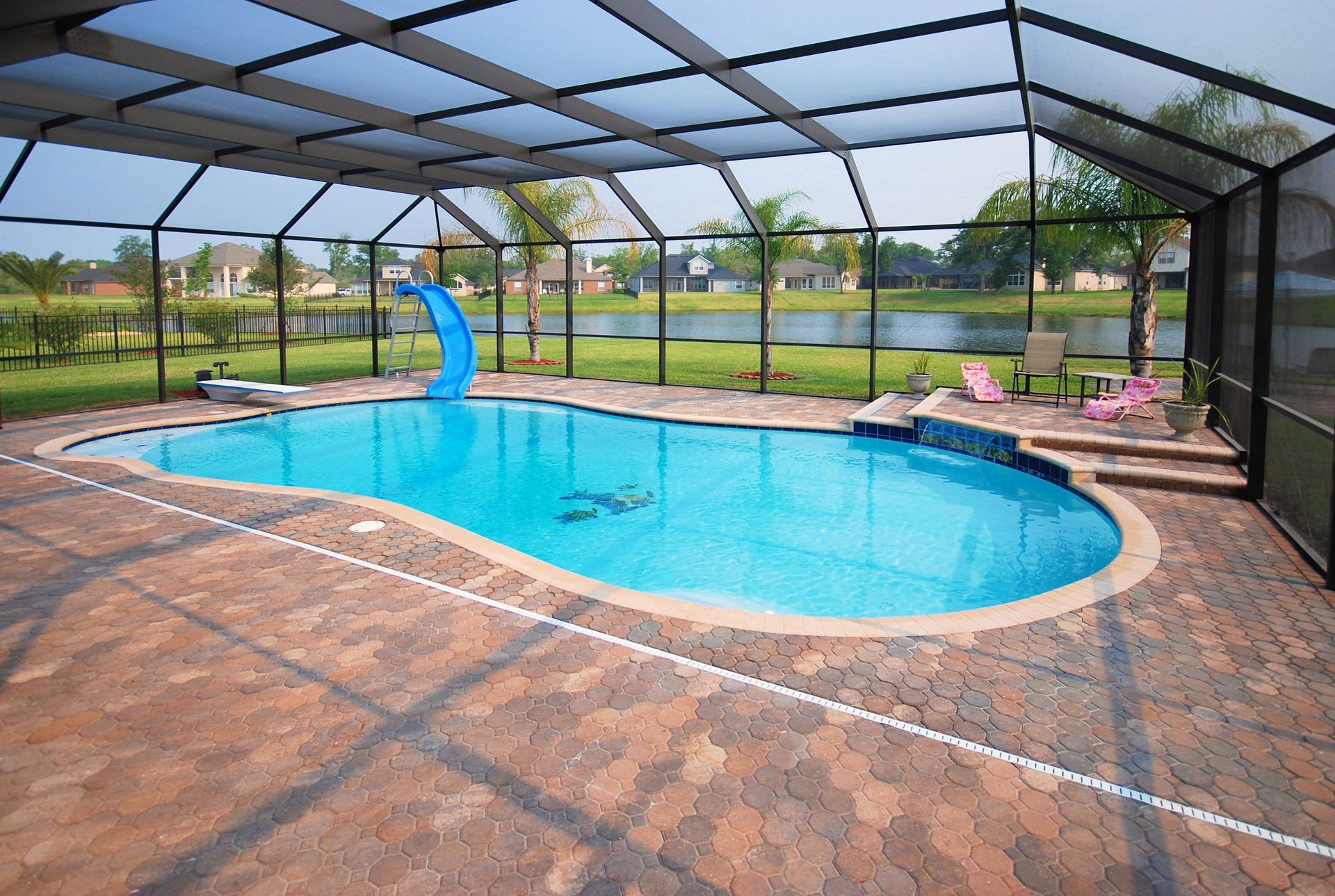
Did you know that good swimming pool repair has many benefits? This is especially true if you have a family to enjoy it with. Here's an article to learn more!