Managing a commercial or HOA community pool in Las Vegas involves far more than keeping the water clear. Intense desert heat, high bather loads, mineral-heavy water, and year-round sun put unique mechanical strains on pool infrastructure. When pool systems underperform in Southern Nevada, property managers and HOA boards face unexpected downtime, steep energy bills, or health code violations from local authorities. Establishing proactive equipment replacement rules ensures compliance, protects community funds, and preserves valuable assets. Rule 1: Apply the 50/50 Rule for Repairs vs. Replacement Deciding whether to approve another repair quote or fund a full replacement is a constant challenge for Las Vegas HOA boards. Commercial pool contractors follow the 50/50 Rule : ● If a repair estimate exceeds 50% of the cost of new equipment , and the asset has exceeded 50% of its expected useful life , replace it immediately. Pouring budget into an aging 5-year-old commercial pump motor is rarely cost-effective in Southern Nevada's summer heat. Repeated minor service calls quickly eclipse the cost of modern, warrantied commercial units. Rule 2: Strict Adherence to SNHD Regulations and State Licensing Commercial and HOA pools in Clark County answer to distinct regulatory bodies. Replacement decisions must align with regional mandates: ● Southern Nevada Health District (SNHD): Public and HOA pools operate under strict Aquatic Facility Regulations. Equipment changes must maintain approved turnover rates (typically 6 hours for standard pools; 1 to 2 hours for wading pools). SNHD requires equipment alterations to match approved plan submissions. Review official compliance guidelines via the Southern Nevada Health District Aquatic Health Program . ● Virginia Graeme Baker (VGB) Act: Anti-entrapment main drain covers must be replaced per manufacturer expiration schedules—typically every 3 to 7 years —regardless of visual appearance. ● Nevada Contractor Licensing: Under NRS 624, pool equipment replacement exceeding $1,000 must be completed by a licensed contractor holding an A-10 or A-10E classification. Property managers can verify licensing status directly through the Nevada State Contractors Board . Rule 3: Account for High Total Dissolved Solids (TDS) and Extreme Heat Las Vegas tap water is sourced from Lake Mead and carries high mineral content. Coupled with summer temperatures regularly topping 100°F, local pool equipment faces two specific environmental threats: 1. Scale Buildup on Heaters & Cells: Calcium drops out of solution quickly in hot water, coating heat exchangers and salt chlorinator cells. If scale cannot be cleared with routine acid washing, replace the component to prevent catastrophic heater failure. 2. Proactive Automation Probe Swaps: Sun exposure and intense summer bather loads cause chemical automation sensors (pH and ORP probes) to drift rapidly. Calibrate probes monthly and replace them every 12 to 18 months to prevent dangerous chemical imbalances. Rule 4: Upgrade to Energy-Efficient Commercial Variable-Speed Pumps Replacing older single-speed commercial pumps with variable-speed models is no longer just a recommendation—it is an economic necessity in Southern Nevada. ● Running a commercial single-speed pump 24/7 during a Las Vegas summer generates substantial monthly electricity bills. ● Commercial variable-speed pumps allow operators to lower flow rates during off-peak hours while still satisfying mandatory SNHD turnover rates. ● Upgrading frequently slashes filtration energy consumption by up to 70%, allowing commercial facilities to recoup equipment replacement costs quickly through utility savings. Rule 5: Align Replacements with Your HOA Capital Reserve Study HOA boards are financially obligated to maintain Reserve Studies. Pool mechanical systems represent one of the largest recurring line items in community budgets. ● Schedule Annual Audits: Have a certified commercial pool service inspect the equipment pad every autumn to benchmark wear against reserve projections. ● Avoid Simultaneous Failures: Stagger equipment replacements over a multi-year cycle so heaters, pumps, and filtration systems are not failing simultaneously. ● Specify NSF/ANSI Commercial Equipment: Ensure reserve funding accounts for commercial-grade assets. Installing residential-grade units on an HOA pool invalidates warranties, fails SNHD inspections, and leads to premature mechanical failure. By implementing proactive replacement rules, Las Vegas property managers and HOA boards prevent emergency pool closures, maintain health department compliance, and keep community assets operating smoothly year-round. Need professional advice or more info on pool equipment? Contact our team at 1 Awesome Pool Solution today to get started. We have the expertise you need to get the job done right the first time. Founded in 1997, our pool repair company has been serving the Las Vegas area for decades. When it comes to your pool, quality is everything. We take pride in being the pool repair company the Las Vegas community trusts! We look forward to making sure you have a 1 Awesome Pool at your home! Call us today at (702) 381-1197
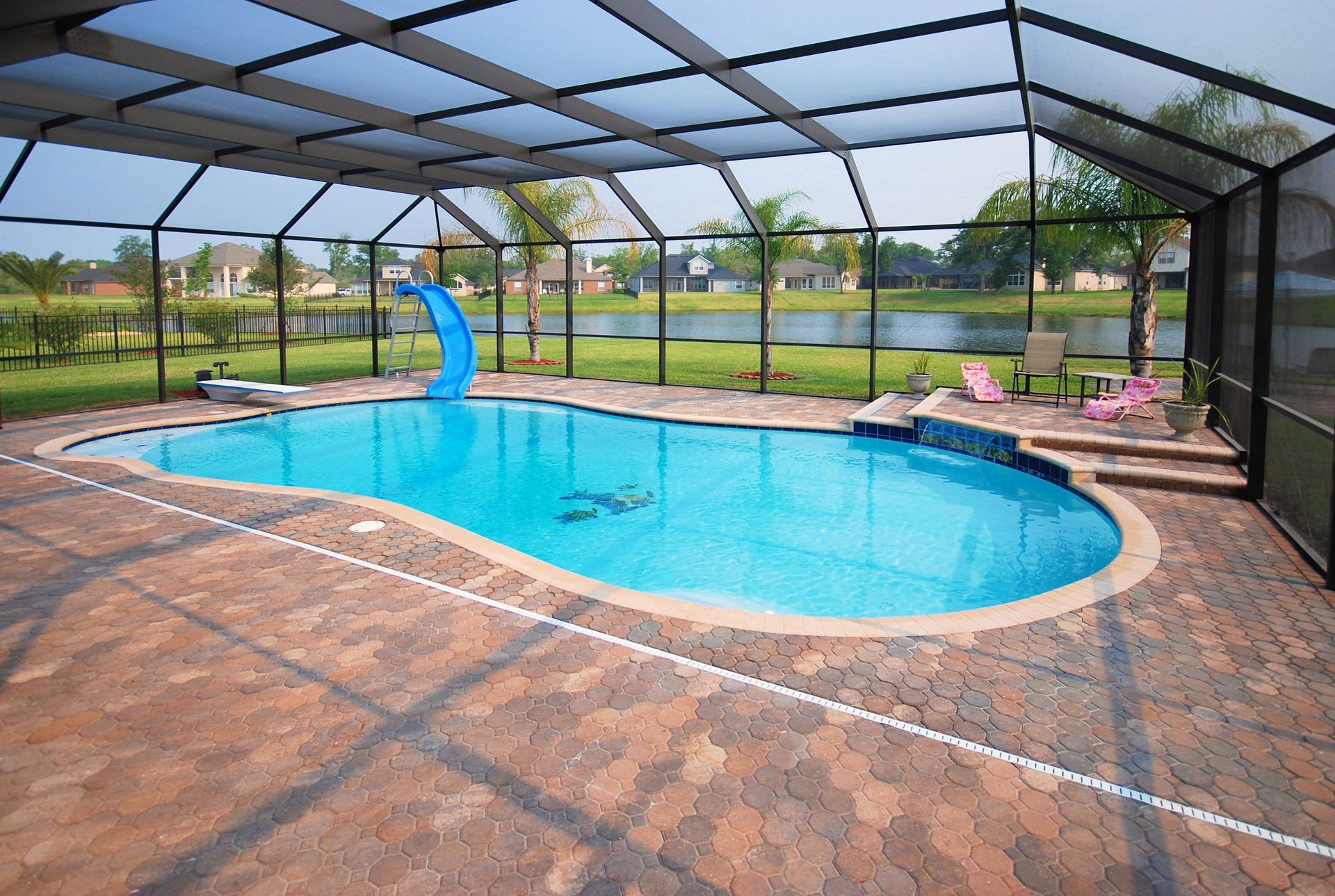
Did you know that good swimming pool repair has many benefits? This is especially true if you have a family to enjoy it with. Here's an article to learn more!
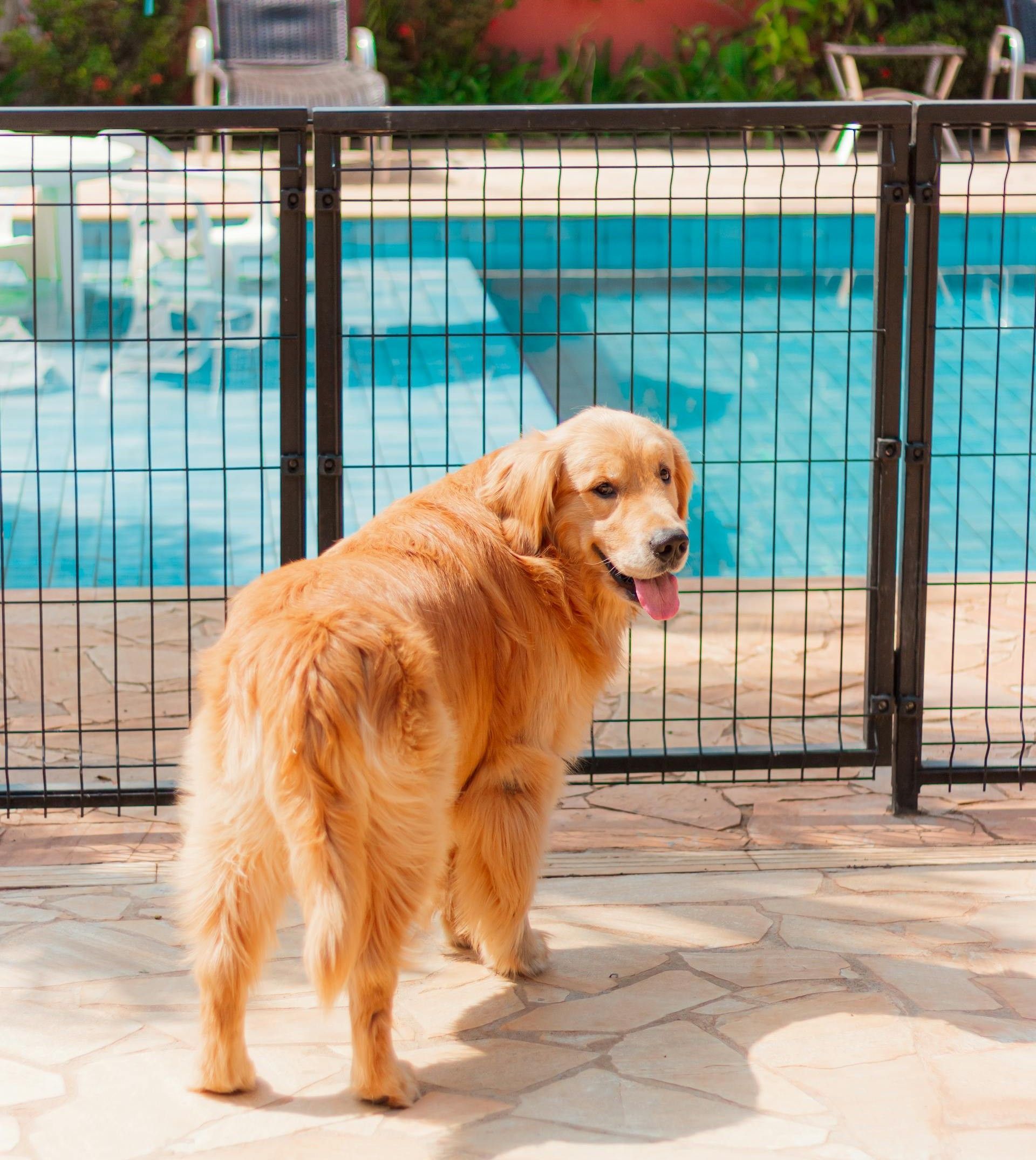
A backyard swimming pool is the ultimate summer sanctuary. It’s where families gather to beat the heat, entertain friends, and create lasting memories. However, owning a pool comes with significant responsibilities. Beyond maintaining chemical balance and crystal-clear water, safeguarding your family and guests requires constant vigilance regarding physical hardware and mechanics. Minor wear and tear on pool equipment can quickly transform into serious hazard risks if ignored. From faulty fence latches to worn automatic covers, taking a proactive approach to maintenance ensures your backyard oasis remains both fun and secure. Here are the essential, critical repairs every pool owner should prioritize to keep safety at the forefront. 1. Repairing Fence Gates and Self-Latching Mechanisms Physical barriers are your pool’s first line of defense against accidental submersion, especially for curious young children and pets. The U.S. Consumer Product Safety Commission (CPSC) emphasizes that pool fences must feature self-closing and self-latching gates that open outward away from the pool area. Over time, gate hinges sag, latching springs rust, and environmental shifting can misalign the latch post. If your gate fails to close completely on its own from any angle or doesn't lock securely upon closing, it demands immediate attention. ● Hinge Adjustment: Tighten loose mounting screws and lubricate spring hinges with a silicone-based lubricant. If the spring mechanism inside the hinge has lost tension, adjust the spring torque or replace the hinge hardware. ● Latch Alignment: Re-align rusted or offset latches so the pin smoothly engages the lock body every single time. ● Latch Height: Ensure the release mechanism is located high enough (typically 54 inches above the ground) so small children cannot reach over to unlock it. If your gate or perimeter barrier requires extensive work, scheduling professional pool equipment repair can ensure your barrier system strictly meets local safety codes. 2. Restoring Safety Pool Covers Whether you use an automatic motorized cover or a manual winter safety mesh, a pool cover is designed to support significant weight and prevent unauthorized access to the water. However, exposure to UV rays, harsh chemicals, and heavy debris can compromise its structural integrity. Key cover issues that require prompt repair include: ● Tears and Fraying: Even minor tears in mesh or solid vinyl covers can expand rapidly under weight. Patch kits can handle minor punctures, but large rips require professional stitch repair or total panel replacement. ● Broken Springs and Straps: For tie-down covers, rusted springs or worn-out brass anchors can cause the cover to sag into the water, creating a dangerous entrapment hazard. ● Motor and Track Misalignment: Automatic covers rely on dual tracks and a drive motor. If the cover tracks unevenly or gets stuck halfway, it leaves the pool exposed. Regularly inspect your cover's webbing and mechanical hardware. If you notice grinding noises in the motor casing or fraying along the edges, address the issue before using the pool again. 3. Replacing Damaged Main Drain Covers (VGB Compliance) The main drain at the bottom of your pool creates powerful suction designed to circulate water through the filtration system. In damaged or missing drain covers, this suction force can trap swimmers underwater—a severe hazard regulated nationally under the Virginia Graeme Baker (VGB) Pool and Spa Safety Act. You can learn more about federal standards and entrapment prevention through the official Pool Safely campaign . Never allow anyone to swim in a pool with a cracked, loose, or missing main drain cover. ● Visual Inspections: Regularly look down to ensure drain covers are intact and firmly screwed into the pool floor. ● Life Expectancy: Anti-entrapment drain covers have an expiration date stamped on them (typically 5 to 7 years) due to plastic degradation from pool chemicals and sunlight. Replace them before they reach their end-of-life date. ● SVRS Systems: Consider installing a Safety Vacuum Release System (SVRS), which automatically turns off the pump if a block in the suction line is detected. 4. Fixing Underwater Pool Lights and Electrical Components Water and electricity are a dangerous combination, making electrical pool repairs urgent. Underwater lights, pump motors, and salt systems depend on sound wiring, watertight seals, and ground-fault circuit interrupter (GFCI) protection. ● Flickering or Dead Pool Lights: A burnt-out pool light isn't just an inconvenience; a breach in the light fixture seal can allow water into the niche, posing a shock hazard. If a light fails, turn off power at the circuit breaker immediately and replace the rubber gasket alongside the bulb. ● GFCI Tripping: GFCI outlets and breakers constantly monitor electrical current. If your pool breaker trips repeatedly, do not force it back on. This indicates an active ground fault, damaged underground conduit, or water intruding into an electrical housing. ● Bonding Wire Inspection: Check that the copper bonding wire attached to your pump motor and metal pool components remains securely connected. Bonding equalizes electrical potential across all metal pool parts to prevent electric shock. When dealing with complex high-voltage systems or pump motor diagnostics, turning to qualified experts for pool equipment repair service is essential to keep your backyard safe and code-compliant. 5. Securing Decking, Handrails, and Pool Ladders Slips, trips, and falls around the pool perimeter account for a large percentage of residential pool injuries. Keeping step entryways and walking surfaces in good order is vital for bathers of all ages. ● Loose Ladders and Handrails: Over time, the anchors securing handrails into the concrete deck can loosen due to rust or heavy use. Tighten wedge anchors or replace cracked escutcheon plates and mounting bolts immediately to prevent rails from giving way under someone's weight. ● Slippery or Cracked Decking: Concrete decks can crack or settle, creating uneven tripping hazards. Additionally, algae growth can make pool decks dangerously slick. Clean deck surfaces regularly following the safety guidance provided by public health resources like the Centers for Disease Control and Prevention (CDC) . ● Worn Ladder Steps: Inspect plastic ladder rungs for hairline cracks or missing anti-slip treads. Replace damaged steps before they break under load. Prioritize Safety with Regular Pool Maintenance Pool safety is an ongoing process that extends far beyond hanging a life ring by the fence. By establishing a routine inspection schedule—checking gate latches weekly, examining drain covers monthly, and inspecting electrical systems seasonally—you protect your loved ones while extending the lifespan of your pool investment. Whenever a repair involves high-voltage electricity, structural integrity, or complex filtration plumbing, don't hesitate to consult certified professionals. Investing in timely pool equipment repairs and maintenance gives you true peace of mind, letting you enjoy a worry-free swimming season every year. Need professional advice or more info on pool safety? Contact our team at 1 Awesome Pool Solution today to get started. We have the expertise you need to get the job done right the first time. Founded in 1997, our pool repair company has been serving the Las Vegas area for decades. When it comes to your pool, quality is everything. We take pride in being the pool repair company the Las Vegas community trusts! We look forward to making sure you have a 1 Awesome Pool at your home! Call us today at (702) 381-1197