
Owning a swimming pool in Las Vegas, Nevada is one of the best ways to beat the relentless desert heat. With summer temperatures regularly climbing well past 100°F, your pool serves as an essential backyard oasis for family recreation and weekend relaxation. However, operating a pool in the Mojave Desert presents unique physical and environmental challenges. Extreme thermal fluctuations, intense solar UV exposure, high airborne dust concentrations during summer monsoons, and exceptionally hard municipal water full of dissolved minerals put continuous strain on your pool mechanics. When a pump starts screeching, a filter tank cracks, or a heater stops firing, Las Vegas homeowners face an inevitable decision: Should you repair the existing component or replace it with a modern upgrade? While repairing may seem like the most budget-friendly immediate option, continuing to patch up aging pool equipment in Southern Nevada can quickly become a costly money pit. This comprehensive guide breaks down the critical factors to evaluate so you can make the smartest financial and operational investment for your swimming pool. 1. The "50% Rule" and Equipment Lifespans in Las Vegas A reliable benchmark used by pool professionals across Nevada is the 50% Rule : If the estimated cost of repairing an existing piece of equipment meets or exceeds 50% of the total cost of purchasing and installing a brand-new unit, replacement is almost always the smarter long-term financial choice. Furthermore, if your equipment is approaching the end of its expected operational lifecycle, investing significant capital into repairs yields diminishing returns. In Southern Nevada, environmental factors significantly impact equipment lifespan: ● Pool Pumps (Single-Speed): Average Lifespan 4–7 Years. Primary Stressors: Continuous summer operation in 110°F+ ambient heat leading to motor thermal overload and shaft seal breakdown. ● Variable-Speed Pumps: Average Lifespan 8–12 Years. Primary Stressors: Enclosed drive electronics, though cooler brushless motors resist desert heat much better than legacy single-speed models. ● Pool Filters (Cartridge/DE/Sand): Average Lifespan 6–10 Years. Primary Stressors: High UV degradation on plastic shells/grids and heavy calcium scaling on internal filter media. ● Gas Pool Heaters: Average Lifespan 5–8 Years. Primary Stressors: Hard water scale accumulation inside copper heat exchangers and burner rust from winter weather exposure. ● Salt Water Chlorinator Cells: Average Lifespan 3–5 Years. Primary Stressors: Rapid calcium scale buildup requiring frequent acid washing, which degrades titanium cell plates. 2. Pool Pumps: Repairing vs. Upgrading to Variable-Speed Technology The circulation pump is the heart of your pool system. In Las Vegas, single-speed pumps historically ran 8 to 12 hours a day during summer months to keep water sanitized and clear. However, old single-speed pumps are massive energy hogs, often accounting for up to 20% to 30% of a home's monthly electricity bill during peak Nevada summer energy rates. When to Repair: If your pump is relatively new (under 3 years old) and suffers a minor issue—such as a worn shaft seal, broken impeller, or blown capacitor—a simple repair costing $150 to $300 is completely logical and cost-effective. When to Replace & Upgrade: If the motor shaft is rusted, the internal windings have burned out, or the pump screams loudly due to failing bearings, replacement is the right choice. Under federal efficiency standards established by the U.S. Department of Energy ( Energy.gov ), legacy single-speed pool pumps have largely been phased out in favor of high-efficiency Variable Speed Pumps (VSPs). Upgrading to a variable-speed pool pump in Las Vegas offers immediate financial returns: ● Massive Energy Savings: VSPs use permanent magnet motors and operate at lower speeds for longer periods, cutting electrical consumption by up to 70% to 80%. ● NV Energy Rebates: NV Energy frequently offers utility rebates for homeowners transitioning to Energy Star certified variable-speed pool pumps. ● Quieter Operation & Better Filtration: Running at lower speeds drastically lowers motor noise while allowing your filter to capture fine desert dust far more efficiently. 3. Pool Filters: Cartridge, DE, and Sand Systems Las Vegas experiences intense windstorms, summer monsoons, and high dust volumes. Your pool filter works overtime to keep dust, organic debris, and microscopic minerals out of the water. Signs Your Filter Needs Repair: For Diatomaceous Earth (DE) or cartridge filters, replacing torn manifold grids, damaged o-rings, or worn filter cartridges during routine seasonal maintenance is standard, economical, and restores peak filtration performance. Signs Your Filter Needs Complete Replacement: ● Cracked or Bulging Tank Body: High summer ambient heat paired with hydraulic pressure weakens plastic structural shells over time. A cracked tank body poses severe safety hazards under pressure and cannot be safely patched. ● Stripped Threads & Calcium Damage: When manifold assemblies, standpipes, and tank locking rings are destroyed by severe mineral scaling or mechanical wear, replacing the full unit is often cheaper than piecemeal repairs. ● Excessive Backwashing Requirements: Sand filters that continuously channel or release sand into the pool often require full media replacement or modern cartridge conversions to conserve water in Nevada's drought-conscious region. 4. Pool Heaters: Extending Your Swimming Season in Southern Nevada Even in Southern Nevada, desert winters bring night temperatures down into the 30s and 40s. A reliable pool heater extends your swimming season into early spring and late autumn, or keeps spa temperatures comfortable year-round. If your gas heater experiences ignition failures due to dirty flame sensors, minor insect blockages, or faulty pressure switches, a targeted repair is straightforward. However, if the copper heat exchanger has corroded due to hard water scale or improper chemical balance, replacement is mandatory. According to industry safety and maintenance standards set by the Pool & Hot Tub Alliance ( PHTA.org ), maintaining balanced water chemistry is critical to preventing premature heat exchanger failure, especially in high-hardness water regions like Clark County. Smart Upgrade Note: Modern ultra-low NOx gas pool heaters comply with Nevada environmental standards, heat up significantly faster, and burn up to 15% to 20% less natural gas than models manufactured a decade ago. 5. Smart Automation & Salt Sanitization Upgrades If you are still manually turning yellow dial mechanical timers or mixing liquid chlorine in 105°F heat, upgrading your pad equipment with smart technology drastically reduces weekly labor and chemical expenses. ● Smart Automation Systems: Modern controllers allow Las Vegas homeowners to manage pump speeds, heating schedules, lighting, and water features directly from an iPhone or Android app. ● Salt Water Chlorination: Salt systems continuously convert dissolved salt into pure chlorine, eliminating harsh chemical spikes and protecting skin and eyes. In the intense desert sun, salt generators provide a steady, automated chlorine feed that prevents sudden algae blooms during summer heatwaves. Conclusion: Making the Right Choice for Your Las Vegas Pool Evaluating whether to repair or replace your pool equipment comes down to balancing immediate repair costs against long-term energy efficiency, reliability, and peace of mind. In Las Vegas, where extreme weather and hard water accelerate equipment wear, upgrading old single-speed pumps, leaking filters, or inefficient heaters to modern Energy Star equipment pays for itself through lower NV Energy electric bills, reduced chemical usage, and crystal-clear water all year long. If your pool equipment is over 5 years old and experiencing frequent breakdowns, consult a licensed, insured Las Vegas pool service professional to audit your equipment pad and recommend the most cost-effective upgrade strategy. Need professional advice or more info on pool equipment repairs? Contact our team at 1 Awesome Pool Solution today to get started. We have the expertise you need to get the job done right the first time. Founded in 1997, our pool repair company has been serving the Las Vegas area for decades. When it comes to your pool, quality is everything. We take pride in being the pool repair company the Las Vegas community trusts! We look forward to making sure you have a 1 Awesome Pool at your home! Call us today at (702) 381-1197
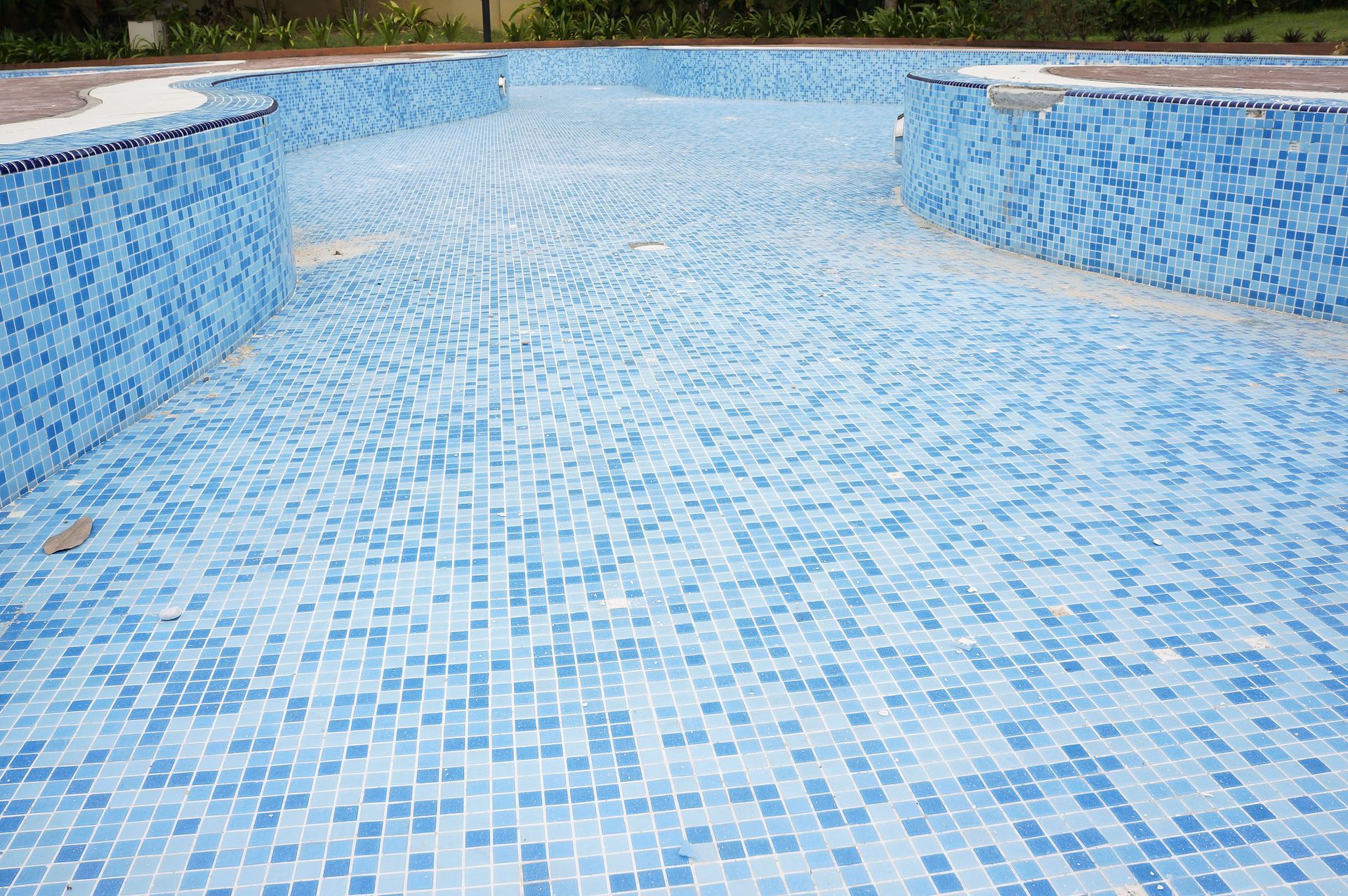
Discover how timely pool repairs prevent minor leaks from expanding. Read our latest article to recognize warning signs and preserve your backyard pool.
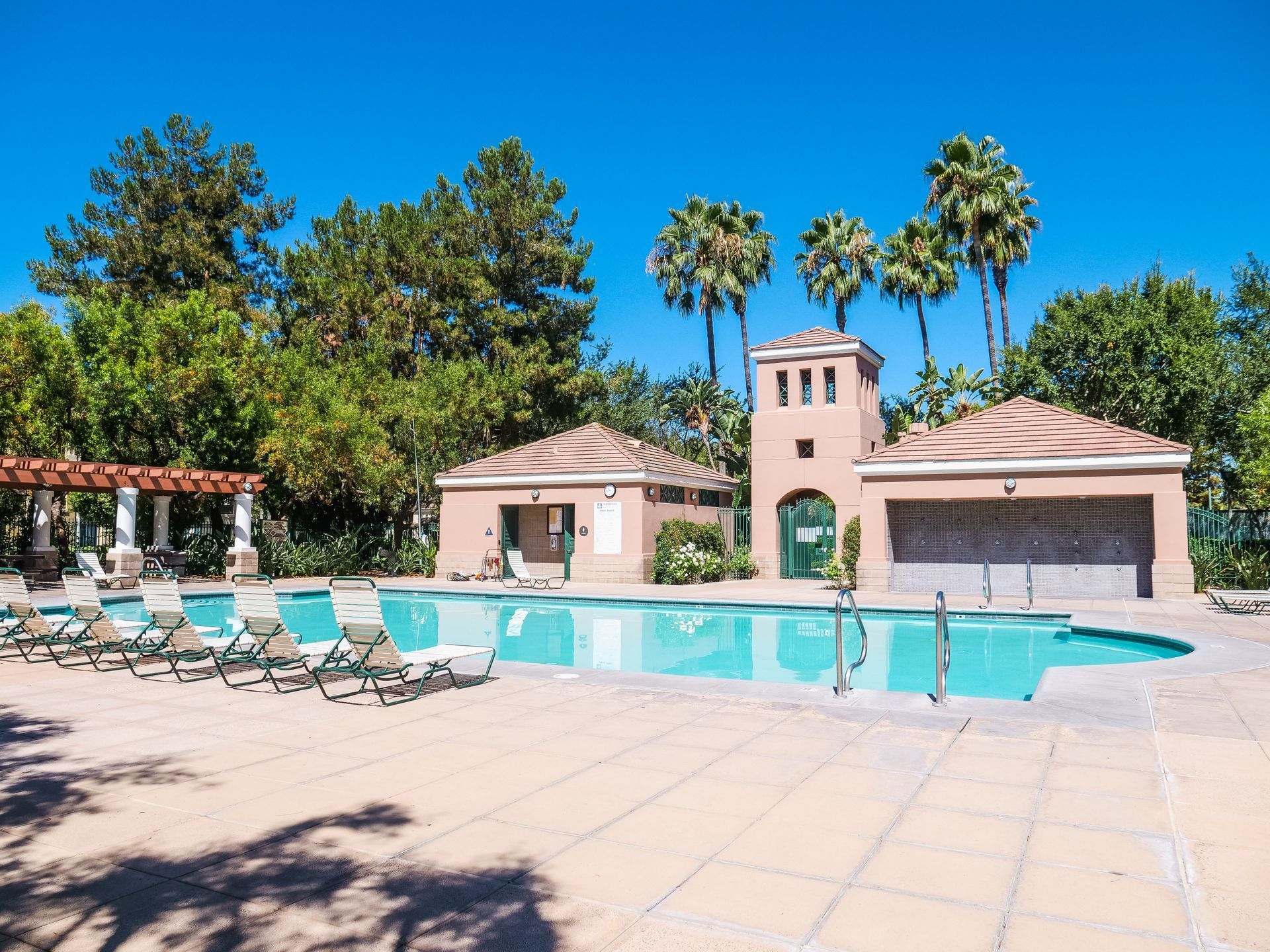
Managing a commercial or HOA community pool in Las Vegas involves far more than keeping the water clear. Intense desert heat, high bather loads, mineral-heavy water, and year-round sun put unique mechanical strains on pool infrastructure. When pool systems underperform in Southern Nevada, property managers and HOA boards face unexpected downtime, steep energy bills, or health code violations from local authorities. Establishing proactive equipment replacement rules ensures compliance, protects community funds, and preserves valuable assets. Rule 1: Apply the 50/50 Rule for Repairs vs. Replacement Deciding whether to approve another repair quote or fund a full replacement is a constant challenge for Las Vegas HOA boards. Commercial pool contractors follow the 50/50 Rule : ● If a repair estimate exceeds 50% of the cost of new equipment , and the asset has exceeded 50% of its expected useful life , replace it immediately. Pouring budget into an aging 5-year-old commercial pump motor is rarely cost-effective in Southern Nevada's summer heat. Repeated minor service calls quickly eclipse the cost of modern, warrantied commercial units. Rule 2: Strict Adherence to SNHD Regulations and State Licensing Commercial and HOA pools in Clark County answer to distinct regulatory bodies. Replacement decisions must align with regional mandates: ● Southern Nevada Health District (SNHD): Public and HOA pools operate under strict Aquatic Facility Regulations. Equipment changes must maintain approved turnover rates (typically 6 hours for standard pools; 1 to 2 hours for wading pools). SNHD requires equipment alterations to match approved plan submissions. Review official compliance guidelines via the Southern Nevada Health District Aquatic Health Program . ● Virginia Graeme Baker (VGB) Act: Anti-entrapment main drain covers must be replaced per manufacturer expiration schedules—typically every 3 to 7 years —regardless of visual appearance. ● Nevada Contractor Licensing: Under NRS 624, pool equipment replacement exceeding $1,000 must be completed by a licensed contractor holding an A-10 or A-10E classification. Property managers can verify licensing status directly through the Nevada State Contractors Board . Rule 3: Account for High Total Dissolved Solids (TDS) and Extreme Heat Las Vegas tap water is sourced from Lake Mead and carries high mineral content. Coupled with summer temperatures regularly topping 100°F, local pool equipment faces two specific environmental threats: 1. Scale Buildup on Heaters & Cells: Calcium drops out of solution quickly in hot water, coating heat exchangers and salt chlorinator cells. If scale cannot be cleared with routine acid washing, replace the component to prevent catastrophic heater failure. 2. Proactive Automation Probe Swaps: Sun exposure and intense summer bather loads cause chemical automation sensors (pH and ORP probes) to drift rapidly. Calibrate probes monthly and replace them every 12 to 18 months to prevent dangerous chemical imbalances. Rule 4: Upgrade to Energy-Efficient Commercial Variable-Speed Pumps Replacing older single-speed commercial pumps with variable-speed models is no longer just a recommendation—it is an economic necessity in Southern Nevada. ● Running a commercial single-speed pump 24/7 during a Las Vegas summer generates substantial monthly electricity bills. ● Commercial variable-speed pumps allow operators to lower flow rates during off-peak hours while still satisfying mandatory SNHD turnover rates. ● Upgrading frequently slashes filtration energy consumption by up to 70%, allowing commercial facilities to recoup equipment replacement costs quickly through utility savings. Rule 5: Align Replacements with Your HOA Capital Reserve Study HOA boards are financially obligated to maintain Reserve Studies. Pool mechanical systems represent one of the largest recurring line items in community budgets. ● Schedule Annual Audits: Have a certified commercial pool service inspect the equipment pad every autumn to benchmark wear against reserve projections. ● Avoid Simultaneous Failures: Stagger equipment replacements over a multi-year cycle so heaters, pumps, and filtration systems are not failing simultaneously. ● Specify NSF/ANSI Commercial Equipment: Ensure reserve funding accounts for commercial-grade assets. Installing residential-grade units on an HOA pool invalidates warranties, fails SNHD inspections, and leads to premature mechanical failure. By implementing proactive replacement rules, Las Vegas property managers and HOA boards prevent emergency pool closures, maintain health department compliance, and keep community assets operating smoothly year-round. Need professional advice or more info on pool equipment? Contact our team at 1 Awesome Pool Solution today to get started. We have the expertise you need to get the job done right the first time. Founded in 1997, our pool repair company has been serving the Las Vegas area for decades. When it comes to your pool, quality is everything. We take pride in being the pool repair company the Las Vegas community trusts! We look forward to making sure you have a 1 Awesome Pool at your home! Call us today at (702) 381-1197