Home Value & Pool Remodeling: What to Know Before You Start
April 22, 2025

April 22, 2025

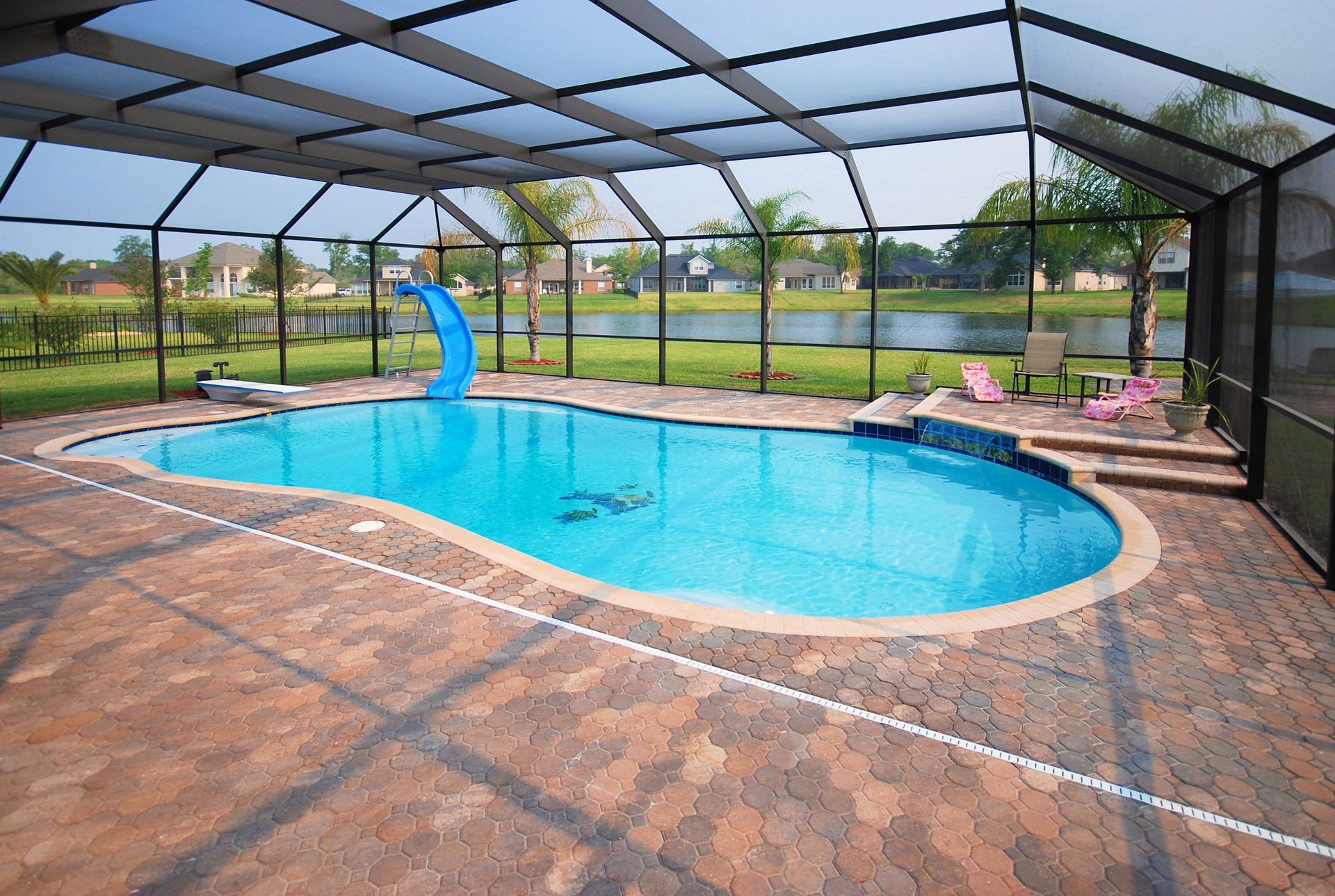
A swimming pool can elevate your home's appeal, offering endless relaxation, recreation, and a slice of paradise right in your backyard. But the promise of shimmering waters, sleek tiles, and modern features also raises significant questions about home value and the implications of pool remodeling. If you're considering a pool remodel or addition, here’s everything you need to know before diving in.


The Value of Pools in Real Estate


Pools do more than just add aesthetic value to a property; they can also influence marketability and price. According to various studies, homes with pools can sell for more than comparable homes without them. Still, the return on investment (ROI) depends on several factors:


1. Location: In warmer climates, pools can be a significant draw for potential buyers. Conversely, in cooler regions, buyers may view a pool as less desirable, which can limit the return on investment.


2. Market Conditions: The real estate market can be fickle. During a seller's market, buyers may be more willing to pay a premium for homes with pools. However, in a buyer's market, features like a pool might not contribute significantly to home value.


3. Quality of Construction: A well-designed, high-quality pool can enhance property value, while a poorly maintained or outdated pool can detract from it.


4. Type of Pool: In-ground pools typically have a more favorable impact on home value than above-ground pools. Additionally, features such as heating systems, energy efficiency, or saltwater systems can make a pool more attractive to buyers.


5. Community Factors: In some neighborhoods, pools may be standard, diminishing their appeal. Understanding your neighborhood's demographics and buyer preferences is crucial.


Assessing Your Current Pool


Before embarking on any remodeling project, assess your existing pool. Evaluate its condition, style, and functionality. Key factors to consider include:


1. Aesthetic Appeal: An outdated pool can detract from the overall look of your property. Modernization might bring benefits not just in looks, but in functionality.


2. Safety Features: If your pool lacks current safety features, such as non-slip surfaces, fencing, or pool covers, you might want to prioritize those in your remodel, creating a safer environment for both your family and potential buyers.


3. Maintenance: Older pools often require more upkeep, which may deter buyers. Renovating your pool using low-maintenance materials and technologies can enhance its desirability.


Designing Your Pool Remodeling Project


Once you've assessed your current pool, it's time to start planning the remodel. Here are some aspects to consider:


Budget


Set a clear budget that encompasses all elements of your remodel—from construction to landscaping. Ensure you’ve factored in permits, professional services, and unexpected costs.


Style and Functionality


Decide on the style of your pool and surrounding area. Popular options include modern, classic, or natural pool designs. Consider functionality—will your remodel primarily be for recreation, relaxation, or both? This can influence the materials you choose, the pool size, and any additional features like waterfalls, spas, or lighting.


Surrounding Landscape


The area around your pool can greatly enhance its value. Create an inviting space with attractive landscaping, outdoor furniture, and possibly an outdoor kitchen or bar area. Thoughtful design can make your pool area a focal point and greatly increase its appeal.


Considering Energy Efficiency


Modern consumers are increasingly concerned about energy efficiency. When remodeling your pool, consider incorporating energy-efficient pumps, heaters, and LED lighting. Not only do these save on operational costs, but they also resonate with eco-conscious buyers.


Permitting and Local Regulations


Before breaking ground, familiarize yourself with local building codes and regulations regarding pool construction. Many municipalities require permits for major renovations, including fencing requirements, drainage, and electrical considerations. Ensure compliance to avoid legal issues down the line.


Hiring Professionals


While DIY projects can be rewarding, a pool remodel often demands expertise. Hiring a qualified pool contractor can save you time, ensure quality workmanship, and help navigate local regulations. A designer can also provide insights into layouts and aesthetics that add value.


Knowing When to Stop


Though a pool remodel can elevate your home’s market value, it’s essential to know your limits. Avoid over-customizing your pool with extravagant features that may not appeal to a broad range of buyers. Popular trends include simple elegance and functionality, which tend to resonate better in the market.


Final Thoughts


A pool remodel can be an exciting venture that enhances your living space and potentially increases your home’s value. However, careful planning is necessary to maximize your investment. By considering your local market, assessing your existing pool, budgeting wisely, and engaging professionals, you’re on the path to a successful remodel that brings you joy and enhances your property. As you stand at the edge of your remodeled oasis, you'll know that you’ve made a splash in both your lifestyle and investment.

When it comes to swimming pool repairs & equipment upgrades in the Las Vegas Valley area, homeowners can rely on 1 Awesome Pool Solution!


When you need pool remodeling, equipment replacement, resurfacing work, pool deck construction, or other swimming pool repairs, we're the team to call!   We have the expertise you need to get the job done right the first time. Founded in 1997, our pool repair company has been serving the Las Vegas area for decades. When it comes to your pool, quality is everything. We take pride in being the pool repair company the Las Vegas community trusts! Contact our team at 1 Awesome Pool Solution today to get started. We look forward to making sure you have a 1 Awesome Pool at your home ! 

Call us today at (702) 381-1197


July 26, 2026
A backyard swimming pool is the ultimate summer sanctuary. It’s where families gather to beat the heat, entertain friends, and create lasting memories. However, owning a pool comes with significant responsibilities. Beyond maintaining chemical balance and crystal-clear water, safeguarding your family and guests requires constant vigilance regarding physical hardware and mechanics. Minor wear and tear on pool equipment can quickly transform into serious hazard risks if ignored. From faulty fence latches to worn automatic covers, taking a proactive approach to maintenance ensures your backyard oasis remains both fun and secure. Here are the essential, critical repairs every pool owner should prioritize to keep safety at the forefront. 1. Repairing Fence Gates and Self-Latching Mechanisms Physical barriers are your pool’s first line of defense against accidental submersion, especially for curious young children and pets. The U.S. Consumer Product Safety Commission (CPSC) emphasizes that pool fences must feature self-closing and self-latching gates that open outward away from the pool area. Over time, gate hinges sag, latching springs rust, and environmental shifting can misalign the latch post. If your gate fails to close completely on its own from any angle or doesn't lock securely upon closing, it demands immediate attention. ● Hinge Adjustment: Tighten loose mounting screws and lubricate spring hinges with a silicone-based lubricant. If the spring mechanism inside the hinge has lost tension, adjust the spring torque or replace the hinge hardware. ● Latch Alignment: Re-align rusted or offset latches so the pin smoothly engages the lock body every single time. ● Latch Height: Ensure the release mechanism is located high enough (typically 54 inches above the ground) so small children cannot reach over to unlock it. If your gate or perimeter barrier requires extensive work, scheduling professional pool equipment repair can ensure your barrier system strictly meets local safety codes. 2. Restoring Safety Pool Covers Whether you use an automatic motorized cover or a manual winter safety mesh, a pool cover is designed to support significant weight and prevent unauthorized access to the water. However, exposure to UV rays, harsh chemicals, and heavy debris can compromise its structural integrity. Key cover issues that require prompt repair include: ● Tears and Fraying: Even minor tears in mesh or solid vinyl covers can expand rapidly under weight. Patch kits can handle minor punctures, but large rips require professional stitch repair or total panel replacement. ● Broken Springs and Straps: For tie-down covers, rusted springs or worn-out brass anchors can cause the cover to sag into the water, creating a dangerous entrapment hazard. ● Motor and Track Misalignment: Automatic covers rely on dual tracks and a drive motor. If the cover tracks unevenly or gets stuck halfway, it leaves the pool exposed. Regularly inspect your cover's webbing and mechanical hardware. If you notice grinding noises in the motor casing or fraying along the edges, address the issue before using the pool again. 3. Replacing Damaged Main Drain Covers (VGB Compliance) The main drain at the bottom of your pool creates powerful suction designed to circulate water through the filtration system. In damaged or missing drain covers, this suction force can trap swimmers underwater—a severe hazard regulated nationally under the Virginia Graeme Baker (VGB) Pool and Spa Safety Act. You can learn more about federal standards and entrapment prevention through the official Pool Safely campaign . Never allow anyone to swim in a pool with a cracked, loose, or missing main drain cover. ● Visual Inspections: Regularly look down to ensure drain covers are intact and firmly screwed into the pool floor. ● Life Expectancy: Anti-entrapment drain covers have an expiration date stamped on them (typically 5 to 7 years) due to plastic degradation from pool chemicals and sunlight. Replace them before they reach their end-of-life date. ● SVRS Systems: Consider installing a Safety Vacuum Release System (SVRS), which automatically turns off the pump if a block in the suction line is detected. 4. Fixing Underwater Pool Lights and Electrical Components Water and electricity are a dangerous combination, making electrical pool repairs urgent. Underwater lights, pump motors, and salt systems depend on sound wiring, watertight seals, and ground-fault circuit interrupter (GFCI) protection. ● Flickering or Dead Pool Lights: A burnt-out pool light isn't just an inconvenience; a breach in the light fixture seal can allow water into the niche, posing a shock hazard. If a light fails, turn off power at the circuit breaker immediately and replace the rubber gasket alongside the bulb. ● GFCI Tripping: GFCI outlets and breakers constantly monitor electrical current. If your pool breaker trips repeatedly, do not force it back on. This indicates an active ground fault, damaged underground conduit, or water intruding into an electrical housing. ● Bonding Wire Inspection: Check that the copper bonding wire attached to your pump motor and metal pool components remains securely connected. Bonding equalizes electrical potential across all metal pool parts to prevent electric shock. When dealing with complex high-voltage systems or pump motor diagnostics, turning to qualified experts for pool equipment repair service is essential to keep your backyard safe and code-compliant. 5. Securing Decking, Handrails, and Pool Ladders Slips, trips, and falls around the pool perimeter account for a large percentage of residential pool injuries. Keeping step entryways and walking surfaces in good order is vital for bathers of all ages. ● Loose Ladders and Handrails: Over time, the anchors securing handrails into the concrete deck can loosen due to rust or heavy use. Tighten wedge anchors or replace cracked escutcheon plates and mounting bolts immediately to prevent rails from giving way under someone's weight. ● Slippery or Cracked Decking: Concrete decks can crack or settle, creating uneven tripping hazards. Additionally, algae growth can make pool decks dangerously slick. Clean deck surfaces regularly following the safety guidance provided by public health resources like the Centers for Disease Control and Prevention (CDC) . ● Worn Ladder Steps: Inspect plastic ladder rungs for hairline cracks or missing anti-slip treads. Replace damaged steps before they break under load. Prioritize Safety with Regular Pool Maintenance Pool safety is an ongoing process that extends far beyond hanging a life ring by the fence. By establishing a routine inspection schedule—checking gate latches weekly, examining drain covers monthly, and inspecting electrical systems seasonally—you protect your loved ones while extending the lifespan of your pool investment. Whenever a repair involves high-voltage electricity, structural integrity, or complex filtration plumbing, don't hesitate to consult certified professionals. Investing in timely pool equipment repairs and maintenance gives you true peace of mind, letting you enjoy a worry-free swimming season every year. Need professional advice or more info on pool safety? Contact our team at 1 Awesome Pool Solution today to get started. We have the expertise you need to get the job done right the first time. Founded in 1997, our pool repair company has been serving the Las Vegas area for decades. When it comes to your pool, quality is everything. We take pride in being the pool repair company the Las Vegas community trusts! We look forward to making sure you have a 1 Awesome Pool at your home! Call us today at (702) 381-1197
swimming pool repairs
July 16, 2026
Ensure your pool stays safe and functional with expert swimming pool repairs. 1 AWESOME Pool Solution delivers dependable service and lasting results.
June 29, 2026
When the triple-digit summer heat hits the Las Vegas Valley, there is nothing quite like stepping into the crystal-clear water of your own backyard pool. However, keeping that oasis pristine requires constant circulation and filtration. For decades, the workhorse of Las Vegas pool maintenance has been the traditional single-speed pool pump. The problem? It is likely the second-largest energy consumer in your home, right behind your air conditioner. Fortunately, a major technological shift has changed the game for pool owners. Variable speed pumps (VSPs) have revolutionized how we manage water health, offering a smarter, quieter, and vastly more efficient way to maintain your pool. Here is a closer look at the advantages of variable speed pumps and why making the switch is one of the smartest investments a Southern Nevada homeowner can make. The Flaw of Single-Speed Technology To understand the revolution, you have to understand the old guard. A traditional single-speed pump operates on a very simple premise: when it is turned on, it runs at maximum velocity. Whether it is performing a high-demand task like powering a waterfall or a low-demand task like basic daily filtration, it operates at 100% power. Imagine driving your car with your foot permanently pinned to the floorboard, using only the brakes to control your speed. It is loud, stressful on the engine, and terrible for your gas mileage. Single-speed pumps apply this exact same brute-force approach to your pool, resulting in massive energy waste and unnecessarily high utility bills. The Variable Speed Advantage: Precision Meets Efficiency Variable speed pumps utilize Permanent Magnet Motors (PMM)—the same advanced, highly efficient technology used in electric vehicles. Unlike the standard induction motors found in older pumps, PMMs allow you to dial in the exact flow rate required for any specific task. This flexibility unlocks a scientific principle known as the Pump Affinity Law. This law dictates that when you reduce a pump’s speed by half, its energy consumption drops to just one-eighth of its original draw. By operating at lower speeds for longer periods, variable speed pumps provide continuous circulation without the massive electrical demand. Slashing Your Energy Consumption The most immediate and celebrated benefit of a variable speed pump is the dramatic reduction in energy consumption. According to the U.S. Department of Energy , homeowners can significantly shrink their pumping bills by upgrading to an efficient model and optimizing run times, with some users saving up to 75%. For a homeowner in Las Vegas, NV, where pools require year-round care and utility rates climb with summer demand, these savings are substantial. In fact, many local pool owners find that a new variable speed pump pays for itself in just one to two cooling seasons through electricity savings alone. Local Tip: Residents in Southern Nevada can stretch their savings even further. NV Energy frequently offers PowerShift rebates and free peak-avoidance calibrations for qualifying variable speed pumps. Calibrating your pump to avoid peak usage hours (typically between 3:00 PM and 7:00 PM) maximizes your return on investment and keeps your energy bills predictable. Superior Pool Maintenance and Water Clarity While the financial savings are fantastic, VSPs also fundamentally improve the quality of your pool maintenance. ● Enhanced Filtration: Moving water at a slower speed is actually much better for your pool’s filter. High-velocity single-speed pumps can easily force small debris right through the filter media and back into the pool. A slower, steadier flow allows the filter to catch much finer particles, resulting in visibly clearer water. ● Better Chemical Balancing: Because a variable speed pump is affordable to run for 12 to 24 hours a day at low speeds, the water is constantly circulating. This prevents stagnant pockets from forming and ensures your chlorine and pool chemicals are evenly distributed, drastically reducing the likelihood of algae blooms during a brutal Las Vegas heatwave. ● Reduced Wear and Tear: Lower speeds mean lower pressure inside your pipes, filter, and heater. This significantly reduces the hydraulic stress on your entire plumbing system, extending the life of your equipment and preventing costly leaks. Unmatched Quiet Operation If you are used to the roaring hum of a single-speed induction motor, a variable speed pump will sound like a breath of fresh air. Because they run at lower RPMs and utilize fully enclosed, fan-cooled designs, VSPs are incredibly quiet. You can run your pump late at night or early in the morning without disturbing your neighbors or disrupting your patio relaxation. Choosing an ENERGY STAR Certified Model When shopping for an upgrade, it is crucial to look for third-party validation. Pumps that have earned certification from ENERGY STAR are independently verified to save energy and protect the environment. An ENERGY STAR certified variable speed pump can save a typical household hundreds of dollars per year compared to conventional models. Ensure you work with a licensed Las Vegas pool maintenance professional to properly size the pump for your specific pool gallonage and plumbing setup. The Verdict If you are still running an outdated, single-speed pump, you are paying a premium for substandard filtration. Variable speed pumps represent a true leap forward in pool technology. By offering precision control, vastly superior energy efficiency, and better daily water circulation, they take the stress out of pool ownership. Upgrading your equipment will not only insulate you from rising summer energy costs in Las Vegas, NV, but it will also leave you with a cleaner, quieter, and more enjoyable backyard oasis. Need professional advice or more info on variable speed pumps? Contact our team at 1 Awesome Pool Solution today to get started. We have the expertise you need to get the job done right the first time. Founded in 1997, our pool repair company has been serving the Las Vegas area for decades. When it comes to your pool, quality is everything. We take pride in being the pool repair company the Las Vegas community trusts! We look forward to making sure you have a 1 Awesome Pool at your home! Call us today at (702) 381-1197
Show More →